Introduction
Mustard seed oil, a popular and versatile cooking oil, has a rich history and a wide range of culinary and medicinal applications. This blog will delve into the journey of mustard seed oil, from its humble beginnings as seeds in a field to the bottles found in your kitchen. Let’s explore the fascinating process of producing this oil and understand its various uses and benefits.
The Origins of Mustard Seed
Mustard seed oil originates from the tiny mustard seeds, scientifically known as Brassica juncea. These seeds come from mustard plants, primarily cultivated in regions like India, Canada, and the United States. Mustard seeds vary in color, including yellow, brown, and black, and each type contributes to distinct flavors and properties in the oil.
Cultivation and Harvest
The cultivation of mustard plants is the first step in the production of mustard seed oil. Farmers plant mustard seeds in well-prepared soil, ensuring proper spacing for growth. These plants require adequate sunlight, water, and care throughout their growth cycle, which usually takes about 90 to 120 days.
Selecting the Right Mustard Seeds
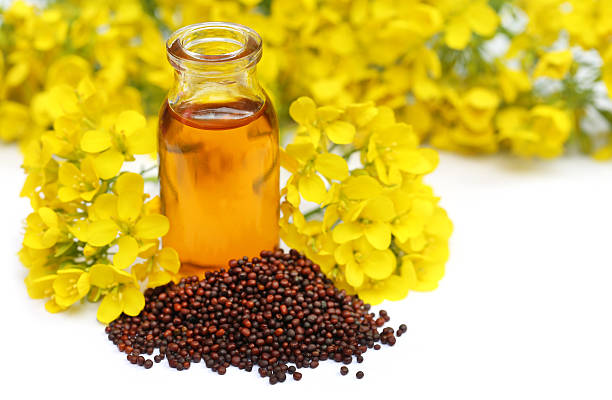
Choosing the right type of mustard seeds is crucial, as it determines the oil’s flavor and aroma. Yellow mustard seeds are milder in taste, while brown and black seeds offer a spicier, more pungent flavor.
Harvesting
Mustard plants are typically harvested when their pods turn brown, indicating that the seeds are ready for extraction. The harvested seeds are then left to dry naturally in the sun.
Oil Extraction
The process of extracting mustard seed oil involves mechanical pressing and, in some cases, solvent extraction.
Mechanical Pressing
In mechanical pressing, the dried mustard seeds are cleaned and crushed to release their oil content. This method retains the oil’s natural flavor and nutritional properties.
Solvent Extraction
In the solvent extraction method, a solvent is used to separate the oil from the mustard seeds. This method is more efficient but can alter the oil’s flavor and composition.
Filtering and Bottling
After extraction, the raw mustard oil is carefully filtered to remove any impurities, ensuring a clear and pure final product. The filtered oil is then packaged into bottles for distribution.
Culinary Uses
Mustard seed oil is highly regarded for its unique flavor and versatility in cooking. It is commonly used in various Indian, Bengali, and Mediterranean dishes, adding a distinctive pungent note to curries, marinades, and dressings. Additionally, it can be used for deep frying due to its high smoke point.
Regional Variations
Different cultures use mustard seed oil in various ways. In Indian cuisine, it is a staple in many recipes, including curries and pickles. In Bengali cuisine, it is used in the famous “shorshe ilish,” a hilsa fish curry. In Mediterranean cuisine, it’s often drizzled over grilled vegetables and meats for added flavor.
Flavor and Aroma
The flavor of mustard seed oil can vary depending on the type of seeds used. Yellow mustard seeds produce a milder oil, while brown and black seeds result in a more robust and pungent flavor. The oil’s strong aroma and spicy notes make it a favorite for those seeking to add depth to their dishes.
Medicinal Benefits
Mustard seed oil offers various health benefits. It is rich in monounsaturated and polyunsaturated fats, which are considered heart-healthy. Furthermore, it contains antioxidants and anti-inflammatory properties. Some people even use it topically for massages and to alleviate joint pain.
Heart Health
The unsaturated fats in mustard seed oil can help reduce bad cholesterol levels, promoting heart health. Regular consumption in moderate amounts is associated with a decreased risk of heart disease.
Antioxidant Properties
Mustard seed oil contains antioxidants such as selenium and vitamin E, which help protect the body’s cells from damage caused by free radicals. This may contribute to overall well-being and longevity.
Anti-Inflammatory Effects
Applied topically, mustard seed oil can have anti-inflammatory effects on the skin. It’s often used in traditional medicine to relieve muscle pain, arthritis, and rheumatic conditions.
Conclusion
Mustard seed oil is not just a condiment but a product with a fascinating journey from seed to bottle. Whether you use it in your culinary creations or for its potential health benefits, understanding the process behind this oil adds a new dimension to its value in your kitchen and your overall well-being.
To learn more information about our products contact us now!!!
 FoodandNutrition
Leave a comment