For ages, traditional wellness practices across various cultures have included Cold Pressed Yellow Mustard Oil, sometimes known as nature’s elixir, as a valuable additive. This golden oil has many benefits that are just waiting to be uncovered, from its historical significance to its recent health discoveries.
Introduction to Cold Pressed Yellow Mustard Oil
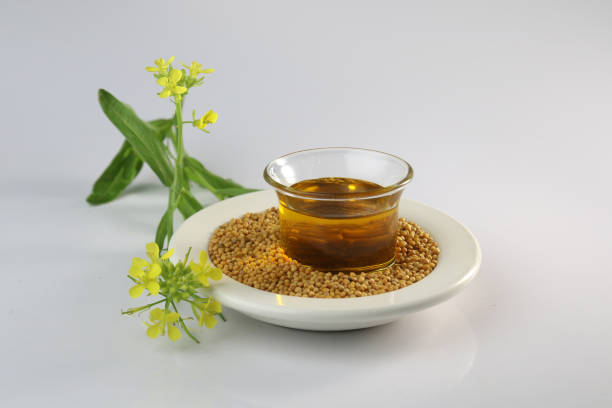
Mustard oil, derived from mustard seeds through the cold-pressing method, stands out for its distinct pungent flavor and myriad health attributes. The cold-press extraction involves a process where the oil is extracted at lower temperatures, preserving its natural compounds, antioxidants, and nutrients intact, unlike the conventional refining process that involves heat and chemicals.
History and Origin
Tracing back to ancient civilizations, mustard oil finds its roots in the Indian subcontinent, where it was revered not only as a culinary ingredient but also for its therapeutic properties in Ayurveda. Across cultures in Asia, Europe, and North America, mustard oil has held a significant place in folk medicine and culinary traditions.

Production Process of Cold Pressed Yellow Mustard Oil
The extraction process involves crushing the mustard seeds and pressing them to extract the oil, maintaining a temperature below 120°F (49°C). This method ensures the retention of essential nutrients, including omega-3 fatty acids, vitamins, and minerals, fostering its potent health benefits.
Nutritional Value and Composition
Rich in monounsaturated and polyunsaturated fats, mustard oil also contains essential fatty acids like Omega-3 and Omega-6, along with vitamin E and antioxidants. These elements contribute to its anti-inflammatory, antibacterial, and cardioprotective properties.
Health Benefits of Cold Pressed Yellow Mustard Oil
Cardiovascular Health
Studies suggest that the consumption of mustard oil, with its low saturated fat content and high levels of omega-3 fatty acids, may contribute to reducing the risk of cardiovascular diseases by lowering bad cholesterol levels (LDL) and increasing good cholesterol (HDL).
Anti-inflammatory Properties
The presence of allyl isothiocyanate in mustard oil offers anti-inflammatory benefits, aiding in alleviating joint pain and inflammation associated with arthritis and other inflammatory conditions.
Skin and Hair Care
Mustard oil acts as a natural moisturizer, promoting skin health by keeping it hydrated and supple. Additionally, its antimicrobial properties can help combat skin infections. When applied to the scalp, it can nourish hair follicles, potentially reducing hair fall and promoting hair growth.
Digestive Health
Consumption of small amounts of mustard oil can stimulate digestion by increasing the production of digestive juices, facilitating smoother digestion and preventing digestive issues.
Comparison with Other Oils
Unlike refined oils that undergo extensive processing, cold pressed yellow mustard oil retains its natural properties, making it a healthier alternative. Its distinct flavor adds depth to dishes, distinguishing it from other cooking oils.
Culinary Uses and Recipes
In Indian, Middle Eastern, and Southeast Asian cuisines, mustard oil is a culinary staple. It’s used for tempering, marinating meats, pickling, and enhancing the flavors of various dishes. Recipes like mustard oil-infused salad dressings, marinades, and stir-fries showcase its versatility.
Safety Precautions and Usage Tips
While mustard oil offers numerous benefits, it contains erucic acid, which, in excessive amounts, can be harmful. Hence, moderation in consumption is advised. Additionally, it’s advisable to heat the oil until it reaches its smoking point before using it in cooking to neutralize any potential toxins.
Myths and Misconceptions
Despite its proven benefits, some myths surround mustard oil, including concerns about its safety for consumption due to erucic acid content. However, modern extraction methods have significantly reduced erucic acid levels, ensuring its safety for culinary use in moderation.
Sustainability and Environmental Impact
Compared to certain commercially processed oils, mustard oil production involves fewer chemicals and processes, making it more environmentally friendly. Its cultivation demands fewer resources, making it a sustainable choice.
Market Trends and Availability
With increasing awareness of its health benefits, cold pressed yellow mustard oil is gaining popularity in health-conscious markets globally. It’s readily available in specialty stores, supermarkets, and online platforms.
Choosing the Best Quality Mustard Oil
Opt for certified organic and cold pressed mustard oil, ensuring it meets safety standards and retains its natural properties without added chemicals or refining processes.
Consumer Guide and Recommendations
For optimal health benefits, integrate mustard oil into your diet in moderation, keeping in mind its distinct flavor and potential effects on culinary dishes. Consultation with a healthcare professional is recommended, especially for those with specific health concerns.
Expert Opinions and Research Findings
Experts emphasize the significance of mustard oil’s nutritional profile and suggest its inclusion in a balanced diet for overall health improvement. Ongoing research continues to unveil its multifaceted benefits.
Conclusion
Unlock the door to wellness with cold pressed yellow mustard oil – a treasure trove of health and culinary benefits. Its rich nutrient profile, coupled with its versatile uses, makes it a valuable addition to a healthy lifestyle.
Shop Smarter, Not Harder – Start Shopping Today!
 FoodandNutrition
Leave a comment