Which oil are you using in your kitchen?
No, this question is not for the survey. It is for everyone’s benefit. In this fast-paced world, health and cooking are both difficult and vital assets for us today. While many individuals utilize various types of oils like mustard oil and coconut oil, the utilization of extra virgin coconut oil for cooking has recently gained significant attention due to the increasing emphasis on dietary awareness. Oh! You might be pondering the disparity between coconut oil and virgin coconut oil. How only adding one extra word ahead of it makes it special and distinct from others. We advise reading the entire piece before finding all the solutions.
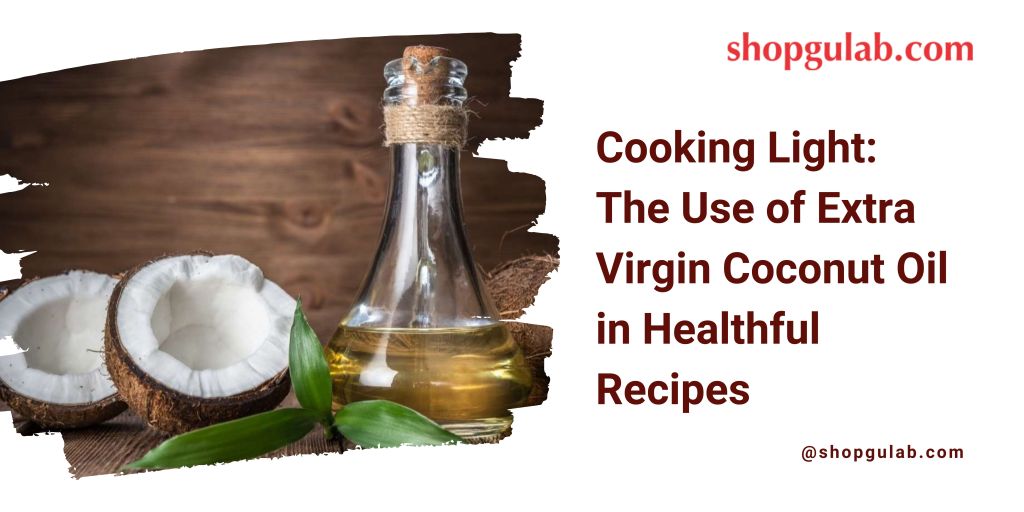
Difference between coconut oil and Virgin Coconut oil
| Coconut Oil | Virgin Coconut Oil |
| Coconut oil offers exceptional versatility. Unlike many vegetable oils that impart a distinct flavor, coconut oil seamlessly complements a wide range of dishes without overshadowing their natural tastes. | Producers make virgin coconut oil (VCO) from fresh coconut meat and coconut milk to create a pure form of coconut oil. |
| This is due to its delicate, neutral flavor and its ability to endure high temperatures without deteriorating. | The extraction process does not involve any chemical processing, which helps retain the oil’s natural qualities. |
| Coconut oil for cooking is an ideal choice if you aim to prepare nutritious and delightful meals for your family. | Cooking enthusiasts are increasingly favoring extra virgin coconut oil. The smoke point is high. Various cooking methods find it an excellent option. |
| It boasts health benefits and contains lauric acid, which is known for its antiviral, antibacterial, and antifungal properties. It contributes to immune system enhancement. | The cooking recipes involve baking, roasting, sautéing, and stir-frying. The subtle coconut taste sweetens dishes. Valuable nutrients abound in it, including medium-chain fatty acids and lauric acid. |
| Coconut oil contributes to overall well-being. It includes medium-chain triglycerides. They can aid in weight loss and metabolism improvement. It is rich in antioxidants and has anti-inflammatory properties. | You have advantages by adding extra virgin coconut oil to your diet. Enhancing digestion, reducing inflammation, boosting vitality, aiding in weight management, and providing protection against heart disease are included. |
| It offers protection against heart disease. You can choose between refined and unrefined varieties when purchasing coconut oil. | Moreover, nurturing skin and hair, fortifying bones, and even guarding against specific illnesses and infections are contributions of coconut oil. |
What are the Ways to Use Extra Virgin Coconut Oil for cooking every day?
When incorporating coconut oil into your cooking, it’s advisable to opt for extra virgin or virgin organic coconut oil whenever feasible. Virgin coconut oil, less refined and more natural, emerges as the better option for cooking. It is abundant in saturated fats. Also, requires the same level of caution as other fats. Despite its potential as a part of a nutritious diet, it is advisable to limit its consumption to two tablespoons (28 grams) or less daily.
Here are techniques for integrating virgin coconut oil into your cooking adventures:
- Sauteing: Use coconut oil to sauté onions and garlic, particularly in curry dishes, recipes with coconut milk, or those featuring sweet vegetables like winter squash or carrots.
Rice: Incorporate a spoonful of coconut oil while cooking rice and add another spoonful before serving. - Roasting: Roast vegetables or new potatoes in coconut oil.
- Baking: Substitute coconut oil for oil or butter in a 1:1 ratio in most recipes, ensuring that cold ingredients like eggs or milk reach room temperature before blending to prevent clumping.
- Grilling: Apply a light spread of coconut oil when making a grilled sandwich.
- Smoothies: Gently melt coconut oil and gradually blend it into smoothies, coffee or tea, yogurt, and homemade bone broth to avoid clumping.
- Frying: Utilize coconut oil for frying or cooking at higher temperatures, with refined coconut oil offering a higher smoke point of 400°F, making it an ideal option for frying.
- Treats: Create coconut oil candy by melting coconut oil and combining it with cocoa powder, honey, and vanilla extract before freezing the mixture in a candy mold.
- Popcorn: Drizzle melted coconut oil over air-popped popcorn or incorporate it into a stove-top popcorn recipe.
- Hot beverages: Add a teaspoon or two of coconut oil to coffee or tea, ensuring it is thoroughly melted, or blend it into coffee for a delightful frothy texture.
Useful Tips for Cooking with Extra Virgin Coconut Oil
Here are some tips for cooking with extra virgin coconut oil:
- Opt for medium heat: For optimal cooking results with coconut oil, choose medium heat.
- Substitute with ease: Consider using coconut oil as a healthier alternative to other oils and butter in most recipes.
- Sautéing benefits: Utilize coconut oil’s high smoke point for sautéing and stir-frying, ensuring a delightful cooking experience.
- Frying advantages: Employ coconut oil for frying, resulting in a crispy texture and a delicate tropical essence in your dishes.
- Roasting perks: Experiment with roasting vegetables or new potatoes in coconut oil for an added twist of flavor.
- Rice enhancement: Enhance the flavor and texture of rice by adding a spoonful of coconut oil while cooking.
- Blending wonders: Blend coconut oil with coffee, warm coconut milk, and cinnamon for a harmonious blend of flavors.
- Easy melting method: Use a saucepan, microwave, or double broiler to melt coconut oil smoothly, eliminating any lumps.
Also read out: The Divine Elixir: Extra Virgin Coconut Oil for Exquisite Cooking
How Extra Virgin Coconut Oil Can Be Used in Different Ways in the Kitchen?
Extra virgin coconut oil serves as a versatile ingredient for both cooking and baking endeavors. Possessing a luscious tropical essence, it finds application in various culinary tasks, including:
- Sautéing vegetables
- Stir-frying
- Acting as a substitute for butter or other cooking oils
- Infusing dishes like curries and tropical desserts with their distinct coconut flavor
- Incorporating into granola
- Crafting a delectable seafood dip
- Drizzling or spreading over food items
- Enhancing the experience of making popcorn
- Greasing pans for preparing scrambled eggs and pancakes
Featuring a high smoke point of approximately 350°F or 177°C, coconut oil maintains its structural integrity under high heat, safeguarding its essential nutrients. Extra virgin coconut oil remains unrefined and unfiltered. It retains its natural essence. It is cholesterol-free. It contains no trans fat. It is lactose-free and gluten-free.
Final Words
Using extra virgin coconut oil for cooking has many benefits mainly owing to its rich tropical flavor and its nutritional properties. This ingredient enhances taste and contributes to well-being. It promotes heart health, boosts immunity, and aids in weight management. With a high smoke point and unrefined nature, this oil preserves its integrity even at high temperatures, making it a desirable option for cooking enthusiasts. It brings subtle sweetness and distinct aroma to culinary creations when skillfully incorporated into everyday cooking. For top-quality extra virgin coconut oil, check out ShopGulab.
 FoodandNutrition
Leave a comment