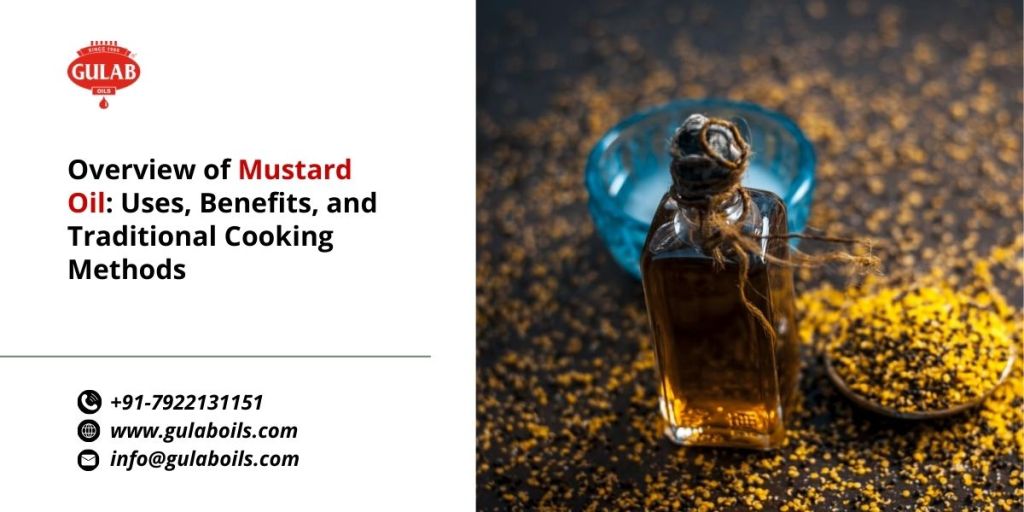
Cooking oils play an important role in shaping the flavor, aroma, and nutritional profile of food. In India, one of the most widely recognized oils used for generations is mustard oil. Known in many households as Sarson Ka Tel, this oil is deeply connected with traditional cooking practices and regional cuisines across the country.
From preparing everyday meals to preserving pickles and frying snacks, mustard oil has been valued for its distinctive taste and cooking performance. Today, consumers can find different forms of this oil in the market, including refined mustard oil and traditional filtered variants. As cooking habits evolve, many people continue to choose the best mustard oil for its ability to enhance both flavor and cooking results.
This article provides an overview of mustard oil, including its uses, benefits, and traditional cooking methods that have kept it relevant in Indian kitchens for centuries.
Understanding Mustard Oil
Mustard oil is extracted from mustard seeds through pressing or refining processes. These seeds have been cultivated for centuries across South Asia and are commonly used in both culinary and medicinal practices.
Sarson Ka Tel has a distinct aroma and slightly pungent flavor that makes it easily recognizable in Indian cooking. Depending on how it is processed, the oil may be available in different forms.
Two common types include:
- Traditional mustard oil produced through pressing methods
- Refined mustard oil that undergoes additional purification processes
Both types are widely used, though their taste, color, and cooking applications may differ slightly.
Traditional Role of Mustard Oil in Indian Cuisine
Mustard oil has long been a staple ingredient in regional cuisines, especially in northern and eastern parts of India. Many traditional dishes rely on its unique flavor and aroma to create authentic tastes.
Sarson Ka Tel is often used in:
- Bengali cuisine for fish curries and vegetable dishes
- North Indian recipes such as pickles and parathas
- Eastern Indian cooking where mustard-based gravies are common
Because of its strong flavor, mustard oil can significantly influence the taste of a dish. Many traditional recipes intentionally highlight this distinctive characteristic.
Common Uses of Mustard Oil in Cooking
Mustard oil is known for its versatility in the kitchen. It can be used in various cooking techniques depending on the type of dish being prepared.
Frying and Deep Frying
Mustard oil performs well in frying due to its heat stability. Many households use it for preparing:
- Pakoras
- Pooris
- Traditional snacks
The oil helps create crisp textures while adding a subtle aroma.
Tempering and Sautéing
In Indian cooking, tempering spices in hot oil is a common technique used to enhance flavor.
Sarson Ka Tel is frequently used to temper ingredients such as:
- Cumin seeds
- Mustard seeds
- Garlic
- Dry red chilies
This process releases the aroma of spices and adds depth to dishes like dal or vegetable curries.
Pickle Preparation
One of the most traditional uses of mustard oil is in the preparation of Indian pickles.
Mustard oil acts as a natural preservative while also adding a distinctive taste to pickled ingredients such as:
- Mango
- Lemon
- Mixed vegetables
This method has been used for generations in Indian households.
Refined Mustard Oil and Modern Cooking
While traditional mustard oil remains popular, refined mustard oil has gained attention in modern kitchens due to its lighter flavor and smoother texture.
Refined mustard oil goes through additional processing stages that remove impurities and reduce the strong aroma associated with raw mustard oil.
Some benefits of refined mustard oil include:
- Neutral flavor suitable for diverse recipes
- Improved shelf stability
- Consistent quality for everyday cooking
This type of oil is commonly used in households and food businesses where milder flavor profiles are preferred.
Benefits of Mustard Oil in Everyday Cooking
Many consumers choose mustard oil not only for its flavor but also for its cooking properties.
Distinct Flavor Enhancement
Sarson Ka Tel adds a bold and recognizable flavor to traditional recipes, making it an essential ingredient in many regional dishes.
Cooking Stability
Mustard oil performs well under high heat, making it suitable for frying and sautéing methods commonly used in Indian cooking.
Versatility
The oil works well in multiple cooking techniques, including:
- Deep frying
- Stir-frying
- Tempering
- Pickle preservation
Cultural and Culinary Heritage
For many families, mustard oil represents a connection to traditional cooking methods passed down through generations.
Choosing the Best Mustard Oil for Your Kitchen
Selecting the best mustard oil depends on several factors, including cooking preferences and recipe requirements.
When choosing mustard oil, consider:
Processing Method
Decide whether you prefer traditional mustard oil with a stronger aroma or refined mustard oil with a milder flavor.
Quality Standards
Look for oils produced by trusted manufacturers that follow food safety standards and proper refining processes.
Packaging and Storage
Proper packaging ensures that the oil remains fresh and protected from contamination.
Consumers often evaluate these factors before selecting the best mustard oil for their kitchens.
Tips for Cooking with Mustard Oil
To achieve the best results when cooking with mustard oil, follow these simple guidelines.
Heat the Oil Properly
Mustard oil is often heated until it reaches its smoking point before adding ingredients. This technique helps reduce its sharp aroma.
Use the Right Quantity
Because the oil has a strong flavor, moderate usage can help maintain balanced taste in dishes.
Store in a Cool Place
Keep mustard oil in a sealed container away from sunlight to maintain freshness.
Match Oil Type with Recipe
Some dishes benefit from traditional mustard oil, while others may work better with refined mustard oil depending on flavor preferences.
Mustard Oil in Today’s Market
Despite the introduction of many modern cooking oils, mustard oil continues to hold an important place in Indian kitchens.
The demand for Sarson Ka Tel remains strong because of its deep connection with traditional cooking methods and its reliable performance in frying and sautéing.
At the same time, refined mustard oil provides a convenient option for consumers seeking milder flavors and modern packaging solutions.
This balance between tradition and innovation helps mustard oil remain relevant in today’s culinary landscape.
Conclusion
Mustard oil has been an essential ingredient in Indian cooking for generations. Known widely as Sarson Ka Tel, it offers a unique flavor that enhances traditional recipes and supports various cooking techniques such as frying, tempering, and pickle preparation.
With options ranging from traditional variants to refined mustard oil, consumers today have more flexibility in selecting the best mustard oil for their kitchens. Whether used in regional dishes or modern recipes, this oil continues to be valued for its versatility and culinary heritage.
For those looking for reliable and high-quality cooking oils, Gulab Oils provides trusted products designed to support everyday cooking needs. To learn more about our range of edible oils or explore the right option for your kitchen, connect with Gulab Oils through our contact us and discover quality cooking oils for your home or business.
 FoodandNutrition
Leave a comment