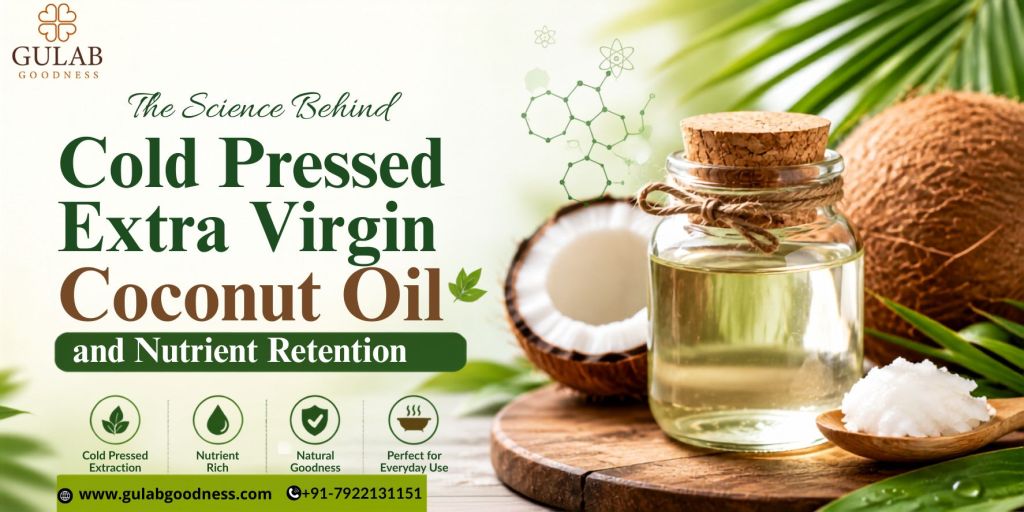
Cooking oils play a bigger role in nutrition than many people realize. The way an oil is extracted can influence its flavor, aroma, and the natural compounds it contains. Among the many options available today, cold pressed extra virgin coconut oil has become a preferred choice for consumers looking for minimally processed cooking oils.
But what exactly happens during the extraction process? Why do experts often associate cold pressing with better nutrient retention? And how can you identify a quality product before buying?
This guide explores the science behind cold pressed extra virgin coconut oil, explains how nutrients are preserved, and shares practical tips for choosing the right oil for your kitchen.
What Is Cold Pressed Extra Virgin Coconut Oil?
Cold pressed extra virgin coconut oil is extracted from fresh coconut kernels using mechanical methods without exposing the oil to excessive heat or harsh chemical refining.
Unlike refined oils that undergo bleaching, deodorizing, or chemical processing, cold pressing focuses on preserving the oil in a more natural state. Since temperatures remain relatively low throughout extraction, many naturally occurring compounds are retained.
This production method is one of the main reasons health-conscious consumers often prefer virgin coconut cold pressed oil for daily cooking and household use.
How Heat Affects Nutrients in Cooking Oils
To understand nutrient retention, it’s important to know what happens when oils are exposed to high temperatures during processing.
High heat can lead to:
- Breakdown of delicate plant compounds
- Loss of natural aroma
- Reduction in certain antioxidants
- Changes in flavor profile
- Increased oxidation during processing
Cold pressing minimizes these effects by avoiding unnecessary thermal exposure during extraction.
While every edible oil has its own composition, lower processing temperatures generally help preserve naturally occurring components.
The Science of Nutrient Retention
The phrase “nutrient retention” refers to how well naturally occurring compounds remain intact after extraction.
In cold pressed extra virgin coconut oil, the extraction process helps retain several naturally occurring constituents, including:
Natural Antioxidants
Coconut naturally contains antioxidant compounds that help protect the oil from oxidation. Gentle extraction helps maintain these compounds more effectively than intensive refining.
Medium-Chain Triglycerides (MCTs)
Coconut oil naturally contains medium-chain triglycerides (MCTs), which have been widely studied for their unique metabolic properties. Since cold pressing involves minimal processing, these naturally occurring fats remain largely unchanged.
Natural Aroma and Flavor
One noticeable difference between refined and cold-pressed oils is the fresh coconut aroma. This characteristic comes from preserving volatile natural compounds that may diminish during high-temperature refining.
Why Minimal Processing Matters
Minimal processing is becoming increasingly important for consumers who want foods closer to their natural form.
Benefits of minimal processing include:
- Better preservation of natural flavor
- Reduced processing steps
- No chemical refining
- Maintained natural coconut aroma
- Greater ingredient transparency
These factors explain why many shoppers search for the best virgin cold pressed coconut oil instead of highly refined alternatives.
Cold Pressed vs Refined Coconut Oil
| Feature | Cold Pressed Extra Virgin Coconut Oil | Refined Coconut Oil |
| Processing | Mechanical extraction | Multiple refining stages |
| Heat Exposure | Low | High |
| Aroma | Natural coconut fragrance | Mild or neutral |
| Flavor | Rich coconut taste | Neutral |
| Refining Chemicals | Typically not used | May be part of refining process |
| Natural Compounds | Better preserved | Some naturally occurring compounds may be reduced |
Understanding Oxidation
Oxidation is a natural process that gradually affects edible oils over time.
Factors that accelerate oxidation include:
- Light
- Air exposure
- Excessive heat
- Moisture
- Improper storage
Although cold pressed extra virgin coconut oil has good natural stability compared to many other plant oils, proper storage still plays an important role in maintaining freshness.
Store it:
- In a cool place
- Away from direct sunlight
- In a tightly sealed container
- Away from moisture
What Makes the Best Cold Pressed Virgin Coconut Oil?
Not every product labeled as “virgin” follows the same production standards.
When selecting the best cold pressed virgin coconut oil, look for:
- Cold-pressed extraction
- Fresh coconut source
- Minimal processing
- Clear labeling
- Food-grade packaging
- Quality certifications where applicable
These factors often indicate greater attention to product quality.
Choosing Cold Pressed Virgin Coconut Oil in India
The market for cold pressed virgin coconut oil India continues to expand as more households seek naturally processed cooking oils.
When comparing brands, consider:
- Manufacturing practices
- Ingredient transparency
- Packaging quality
- Customer reviews
- Batch freshness
- Storage recommendations
A trustworthy manufacturer will clearly explain its extraction process rather than relying solely on marketing claims.
Scientific Research Continues to Grow
Research on coconut oil continues across areas such as food science, lipid chemistry, and nutrition.
For readers interested in evidence-based information about dietary fats and healthy eating, the Harvard T.H. Chan School of Public Health provides balanced educational resources on fats and oils:
Learning from reliable educational institutions helps consumers make informed decisions based on scientific understanding rather than trends.
Everyday Uses
Many households choose virgin coconut cold pressed oil for:
- Everyday cooking
- Light sautéing
- Homemade recipes
- Baking
- Traditional Indian dishes
- Salad dressings
Its naturally pleasant aroma also makes it popular in many regional cuisines.
Why Consumers Are Paying More Attention in 2026
Modern buyers increasingly value:
- Cleaner ingredient lists
- Less processed foods
- Greater manufacturing transparency
- Naturally extracted oils
- Sustainable production practices
As awareness grows, cold pressed extra virgin coconut oil continues to gain recognition among people seeking quality cooking oils that retain more of their natural characteristics.
Final Thoughts
The science behind cold pressed extra virgin coconut oil is rooted in one simple principle: gentle extraction helps preserve many of the oil’s naturally occurring compounds while maintaining its characteristic aroma and flavor.
Although no cooking oil is perfect for every application, understanding how extraction methods influence quality allows consumers to make more informed choices. Whether you’re comparing labels or searching for the best virgin cold pressed coconut oil, paying attention to processing methods can make a meaningful difference.
If you’d like to learn more about naturally processed oils or need help choosing the right product for your kitchen, feel free to contact the team at Gulab Goodness for guidance and product information.


Leave a Reply