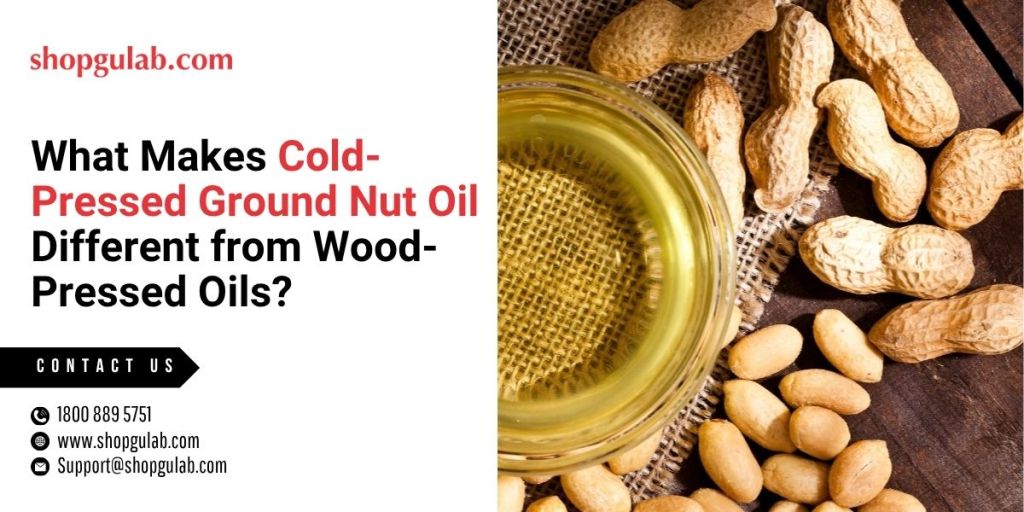
Choosing the right cooking oil is becoming more important as people focus on healthier eating habits. Many shoppers often come across terms like kachi ghani groundnut oil, cold-pressed oil, and wood-pressed oil, but they may not understand the differences. While these oils are often considered similar, they are not always produced using the same methods.
Knowing how each oil is extracted can help you make a better decision for your family’s daily cooking. This guide explains the key differences between cold-pressed and wood-pressed groundnut oils, their benefits, and which one may be the better choice for your kitchen.
Understanding Kachi Ghani Groundnut Oil
Kachi Ghani groundnut oil is produced by crushing high-quality groundnuts at a controlled low temperature. The extraction process minimizes heat generation, allowing the oil to retain its natural nutrients, aroma, and flavor.
Unlike highly refined oils, this traditional extraction method helps preserve naturally occurring antioxidants, vitamin E, and healthy fats. Since the oil undergoes minimal processing, it maintains its original nutritional value and authentic taste.
What Is Wood-Pressed Oil?
Wood-pressed oil is extracted using a traditional wooden churner, commonly called a “ghani.” During this slow extraction process, a wooden pestle rotates to crush oil seeds. The lower friction generated by wood helps maintain a relatively low temperature throughout extraction.
Many people use the terms kachi ghani oil and wood-pressed oil interchangeably. However, the difference often depends on the extraction equipment rather than the nutritional quality of the oil itself.
Cold-Pressed vs. Wood-Pressed Oils
Although both methods avoid excessive heat and harsh chemical refining, there are several differences worth understanding.
1. Extraction Equipment
Cold-pressed oils are usually extracted using modern mechanical presses designed to control temperature efficiently. Wood-pressed oils rely on traditional wooden ghani systems that rotate at a slower speed.
Both methods aim to protect the natural quality of the oil.
2. Temperature Control
The biggest advantage of cold pressing is its ability to maintain low temperatures during extraction. Less heat means better preservation of nutrients and natural flavor.
Wood-pressed extraction also generates relatively low heat, but temperature consistency may vary depending on the equipment and processing conditions.
3. Nutritional Value
Both oils retain significantly more nutrients than refined oils. However, properly extracted cold-pressed groundnut oil often provides excellent retention of vitamin E, healthy fats, and natural antioxidants because of its carefully controlled processing.
4. Flavor and Aroma
Cold-pressed groundnut oil usually has a pleasant nutty aroma and mild natural taste.
Wood-pressed oils may develop a slightly stronger earthy flavor due to the traditional extraction process.
The choice depends largely on personal cooking preferences.
5. Shelf Life
Since both oils are minimally processed and contain no harsh refining chemicals, they generally have a shorter shelf life than refined oils. Proper storage in a cool, dark place helps maintain freshness for longer.
Health Benefits of Cold-Pressed Groundnut Oil
Adding cold-pressed groundnut oil for cooking to your daily meals offers several nutritional advantages.
- Naturally rich in vitamin E
- Contains heart-friendly monounsaturated fats
- Free from chemical refining processes
- Helps preserve natural antioxidants
- Supports balanced everyday cooking
- Offers authentic groundnut flavor
According to the Harvard T.H. Chan School of Public Health, replacing saturated fats with healthier unsaturated fats may support heart health as part of a balanced diet.
Which Oil Is Better for Everyday Cooking?
Both cold-pressed and wood-pressed oils are healthier alternatives to refined oils.
However, if consistency, purity, and nutrient retention are your priorities, kachi ghani groundnut oil extracted using modern cold-press technology is often preferred by many households.
It works well for:
- Daily Indian cooking
- Stir-frying
- Light sautéing
- Homemade snacks
- Traditional recipes
Its natural flavor complements vegetables, dals, curries, and regional dishes without overpowering them.
Buying Tips
Before purchasing any groundnut oil, check these important points:
- Look for oils extracted without chemical solvents.
- Verify that the oil is unrefined.
- Read the ingredient label carefully.
- Buy from trusted manufacturers with quality standards.
- Compare the cold-pressed groundnut oil price with product quality rather than choosing only the cheapest option.
- Families with higher monthly consumption may also consider cold-pressed groundnut oil 15 ltr packs for better long-term value.
How to Store Cold-Pressed Groundnut Oil
Proper storage helps preserve freshness and nutritional quality.
- Keep the bottle tightly sealed.
- Store away from direct sunlight.
- Avoid exposure to moisture.
- Use a clean, dry spoon if transferring oil.
- Keep it in a cool, dry place.
Following these simple practices helps maintain the oil’s natural aroma and taste.
Final Thoughts
Understanding the difference between kachi ghani groundnut oil and wood-pressed oils helps you make a smarter choice for healthier cooking. While both are produced using traditional low-heat extraction principles, modern cold-pressed methods often provide better consistency and nutrient preservation.
If you’re looking for premium-quality groundnut oil made with care, Shop Gulab offers naturally processed options for everyday cooking. To learn more about our products or place an order, feel free to contact us—we’ll be happy to assist you.


Leave a Reply